
What Are the Early Warning Signs of Stomach Cancer?

When it comes to stomach cancer, early detection can make a significant difference in treatment outcomes. But one of the challenges is that the early signs of stomach cancer are often subtle or mistaken for everyday digestive issues. Many people ignore mild symptoms like indigestion or bloating, thinking it’s nothing serious, until they begin to worsen. Understanding what to look out for can empower you to take action early and consult a specialist if something doesn’t feel right.
What Are the First Signs of Stomach Cancer?
The early signs of stomach cancer can be vague. One of the most common initial symptoms is persistent indigestion or discomfort in the upper abdomen. It may feel like bloating, a burning sensation, or frequent heartburn. While many of us experience indigestion now and then, if it doesn’t improve with over-the-counter treatment, it’s worth paying attention to.
Another sign is feeling full after eating only a small amount. Known as early satiety, this can occur because a tumor in the stomach limits how much food it can hold or disrupts digestion. If you regularly feel full much earlier than usual, this could be an early symptom of stomach cancer.
Some people experience unexplained weight loss or a noticeable drop in appetite. If you’re losing weight without trying, especially alongside digestive issues, it’s important to speak with a doctor.
Other Common Early Stomach Cancer Symptoms
Alongside indigestion and early satiety, other symptoms might include:
- Ongoing nausea or vomiting
- A sensation of pressure or discomfort in the upper stomach
- Fatigue or weakness, especially if you’re also anemic
- Dark or tar-like stools, which may suggest internal bleeding
- Early stomach cancer lump in the abdomen
In rare cases, people report discovering an early stomach cancer lump in the abdomen. This could be due to tumor growth, although this typically appears in more advanced stages.
Stomach Cancer Pain Location
One of the questions people often ask is wher e the pain is located. For many, early stomach cancer lump in abdomen is manifested as the pain felt in the upper part of the abdomen, just below the ribcage. It can vary in intensity. Sometimes it feels like a dull ache, a burning sensation, or a feeling of fullness that won’t go away. In some cases, this pain may also radiate toward the back.
It’s important to remember that stomach pain alone doesn’t necessarily indicate cancer, but if it’s persistent and combined with other symptoms, it should be investigated further.
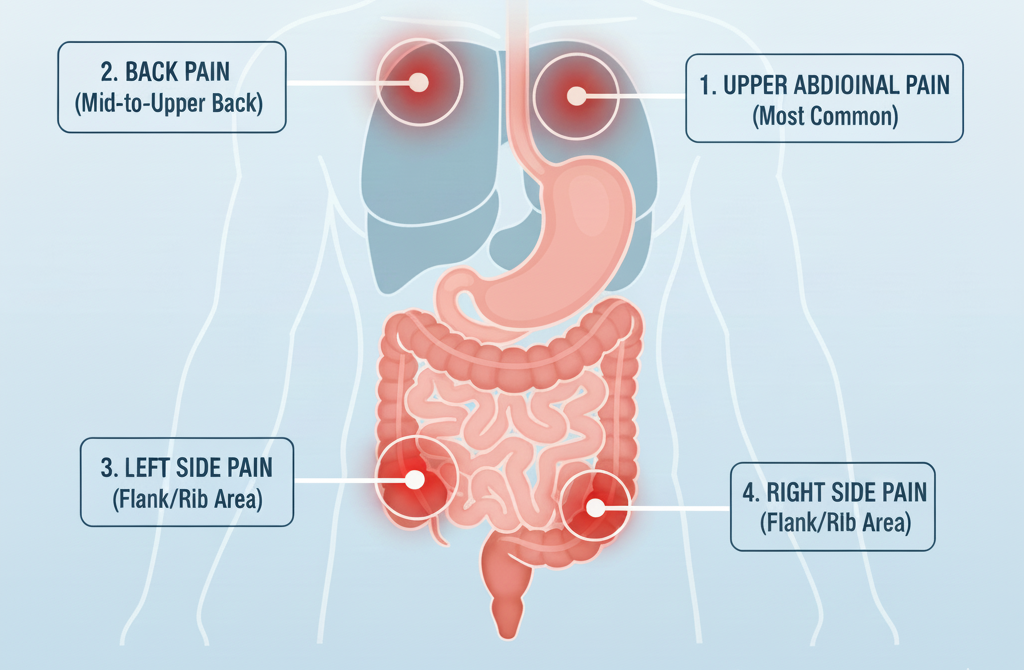
Signs and Symptoms of Stomach Cancer You Shouldn’t Overlook
Some symptoms may seem unrelated at first but could be part of a bigger picture. These include:
- Difficulty swallowing, especially if the tumor is near the top of the stomach
- Constant burping or acid reflux not relieved by antacids
- Swelling or fluid build-up in the abdomen
- Anemia symptoms, like pale skin and shortness of breath
Staying informed helps ensure that signs and symptoms of stomach cancer are caught before the disease reaches an advanced stage. If you’re unsure about what you’re feeling, don’t hesitate to get it checked.
How I Knew I Had Stomach Cancer: Real Stories
Hearing personal accounts can sometimes shed light on how subtle the warning signs can be. Many stomach cancer survivors describe having symptoms that started mildly and gradually got worse. For some, it was frequent heartburn that turned into sharp stomach pain. For others, it was a general feeling of being unwell, constant fatigue, or unexplained weight loss.
A consistent theme in these stories is that the symptoms felt different from their usual digestive issues. When everyday discomfort becomes persistent or begins to interfere with your eating habits or energy levels, that’s often when people decide to seek help. Some of them shared their experiences on trusted medical platforms, reinforcing how important it is not to delay consultation.
When to See a Doctor
You should speak with your doctor if you experience:
- Persistent upper abdominal pain or discomfort
- Loss of appetite or rapid weight loss
- Frequent indigestion that doesn’t respond to treatment
- Vomiting blood or seeing black, tarry stools
- Unexplained fatigue, weakness, or anemia
While these symptoms don’t always mean stomach cancer, they should never be ignored. Early testing, such as an endoscopy or imaging, can detect abnormalities before the condition progresses.

Why Awareness Matters
One of the most challenging aspects of stomach cancer is that it often remains silent in the early stages. Symptoms might be mild or mistaken for common digestive problems. But knowing what to look out for and being proactive about your health can improve the chances of catching it early, when treatments are more effective.
This is why listening to your body is crucial. If your symptoms are new, persistent, or worsening, seek expert advice even if you’re unsure. It’s better to have peace of mind through proper screening than to overlook something that could be serious.
What Doctors Say About Stomach Cancer?
Stomach cancer is not among the most common cancers, however, it is often serious and can have a challenging prognosis. For successful treatment, early detection is crucial. Unfortunately, stomach cancer may not show symptoms in its initial stages. Still, there are certain signs to watch out for, such as persistent dyspepsia (indigestion), vague abdominal pain, or intolerance to specific foods. If you experience any of these symptoms for more than two weeks, seeking medical advice and having a check-up is important.
The primary method for diagnosing stomach cancer is an endoscopy, where a camera is used to examine the stomach lining. Once diagnosed, treatment options include surgery, which is often the main step for curing stomach cancer, and may be combined with chemotherapy, immunotherapy, or even radiotherapy. One of the surgical procedures for stomach cancer is laparoscopic gastrectomy.
Advanced Surgical Techniques at our Oncology Center
- Laparoscopic Surgery: Minimally invasive surgery using small incisions and a camera to guide the procedure.
- Robotic Surgery: Advanced robotic systems that allow for precise and controlled surgical movements.
- Endoscopic Surgery: Using endoscopes to perform surgery through natural openings or small incisions.
- Laser Surgery: Using high-intensity light to remove or shrink tumors.
About King’s Cancer Care Centre
King’s Cancer Care Centre is a Dubai based specialist cancer service, committed to offering early diagnosis, advanced treatment, and compassionate care across a range of cancer types, including stomach cancer treatment.
The centre brings together internationally recognized consultants, state-of-the-art diagnostic technology, and tailored treatment plans that reflect each patient’s unique needs. From early screening to complex treatment protocols, King’s focuses on combining clinical expertise with emotional and psychological support. If you’re concerned about the early signs of stomach cancer, the team at King’s provides both the clarity and care you need, right from the first step of your journey.

Act Early: Protect Your Health from Stomach Cancer Today
Stomach cancer often begins quietly, with symptoms that can be easily overlooked, such as persistent indigestion, bloating, unexplained weight loss, or fatigue. While these signs may seem minor at first, paying attention to your body and acting promptly can be life-saving. Early detection not only improves treatment success but also helps maintain a better quality of life. Don’t ignore recurring digestive issues your health deserves immediate attention.
Take action today by consulting the experts at King’s Cancer Care Centre. Our team of specialists offers advanced diagnostics, personalized treatment plans, and compassionate care tailored to each patient. Whether you’re noticing subtle symptoms or seeking a routine check-up, reaching out early can make all the difference. Contact us now to schedule your consultation and take the first step toward protecting your health.